
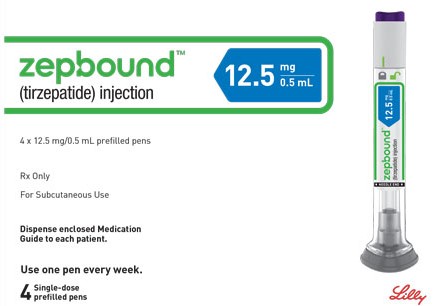
Zepbound 12.5mg
$340.00
Zepbound™ 12.5mg is a higher-strength therapeutic dose for chronic weight management in adults with obesity or overweight with weight-related conditions. This once-weekly dual GIP and GLP-1 receptor agonist injection provides enhanced appetite regulation and substantial weight reduction for patients requiring advanced support following complete dose escalation under medical supervision.
Advanced Dual-Incretin Therapy for Substantial Weight Management Needs
The Zepbound™ 12.5mg dose represents a sophisticated tier in the tirzepatide treatment pathway for weight management, designed for patients who require more intensive intervention than provided by intermediate doses but may benefit from a strategic step before reaching the maximum 15mg strength. This dose delivers substantial activation of both GIP and GLP-1 receptors, offering a balanced approach for individuals with significant weight management challenges or those who have demonstrated partial response at lower doses. The 12.5mg weekly injection provides a meaningful escalation from the 10mg dose while potentially maintaining a more favorable tolerability profile than the highest available strength, serving as either an effective therapeutic dose for ongoing weight management or a crucial stepping stone toward maximum therapeutic support.
Enhanced Synergistic Effects for Meaningful Weight Reduction
At the 12.5mg weekly strength, Zepbound™ delivers robust synergistic activation across both incretin pathways, creating significant effects on appetite regulation, metabolic function, and weight reduction. Clinical trial data from the SURMOUNT program indicates this dose typically produces substantial weight loss, with many patients achieving 12-15% total body weight reduction as they progress through treatment. The enhanced GIP activity contributes to improved insulin sensitivity and may promote more favorable body composition changes, while the amplified GLP-1 effects provide stronger control over hunger, food cravings, and portion sizes. For appropriate patients, the 12.5mg dose can produce transformative improvements in weight management outcomes, often enabling achievement of meaningful weight reduction goals that impact overall health and quality of life.
Key Features of the 12.5mg Higher Therapeutic Dose:
-
Robust Appetite Regulation: Provides substantial control over hunger and satiety signaling, supporting consistent adherence to comprehensive weight management plans.
-
Significant Weight Impact: Often produces substantial weight reduction that meaningfully addresses weight-related health concerns.
-
Strategic Dose Position: Serves as an effective therapeutic level for patients requiring more than intermediate support but who may not need or tolerate the highest available strength.
-
Metabolic Enhancement: May improve various weight-related metabolic parameters, supporting overall health improvements beyond weight reduction alone.
-
Treatment Optimization: Allows for substantial pharmacological support while maintaining flexibility for further dose adjustment based on individual response.
Clinical Protocol & Comprehensive Management:
-
Dosage Progression: Typically initiated after at least 4 weeks on the 10mg dose, following thorough assessment of weight management progress, tolerability, and response. Administered as one subcutaneous injection of 12.5mg once weekly.
-
Treatment Evaluation: Patients should be comprehensively evaluated after 4-8 weeks at 12.5mg. This dose may be maintained as a therapeutic dose if goals are achieving, or escalated to 15mg if additional support you need and tolerated.
-
Administration: Uses a dedicated Zepbound™ single-use pre-filled pen specifically calibrated for 12.5mg dosing. Inject subcutaneously into abdomen, thigh, or upper arm with weekly site rotation.
-
Side Effect Management: Gastrointestinal effects (particularly nausea, vomiting, and diarrhea) may be more pronounced at this dose level. Proactive strategies including dietary modification, hydration, and potential temporary dose adjustment should be implemented under medical guidance.
-
Essential Monitoring: Requires regular assessment of weight progress, nutritional status, and potential side effects. Patients you should monitor for signs of gallbladder disease, pancreatitis, or changes in mental health.
-
Mental Health Vigilance: Monitor closely for depression or suicidal thoughts, especially during periods of significant weight change. Ensure immediate access to mental health support resources if needed.
-
Safety Considerations: Contraindicated in patients with personal/family history of medullary thyroid carcinoma or MEN 2. Requires careful evaluation in patients with history of pancreatitis, severe gastrointestinal disease, or severe renal impairment.
Be the first to review “Zepbound 12.5mg”
Related products
Weight loss & T2 Diabetes
Weight loss & T2 Diabetes
Weight loss & T2 Diabetes
Weight loss & T2 Diabetes
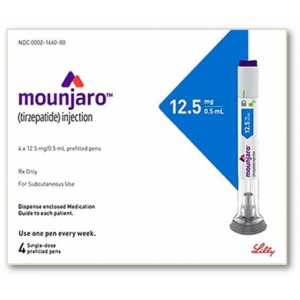
Weight loss & T2 Diabetes
Weight loss & T2 Diabetes
Weight loss & T2 Diabetes
Weight loss & T2 Diabetes
Reviews
There are no reviews yet.